C180 is a type of ultra-high-performance concrete (UHPC) that contains no coarse aggregate, has an extremely low water-to-binder ratio, a high binder content, and is reinforced with steel fibers; Ordinary silica fume fills pores through micro-filling and pozzolanic reactions, serving as the core of strength; however, it is highly absorbent and prone to agglomeration. Failure to maintain strict control over any stage—including mixing proportions, mixing, or curing—will prevent the concrete from achieving 180 MPa.
I. Mandatory Requirements for Raw Materials
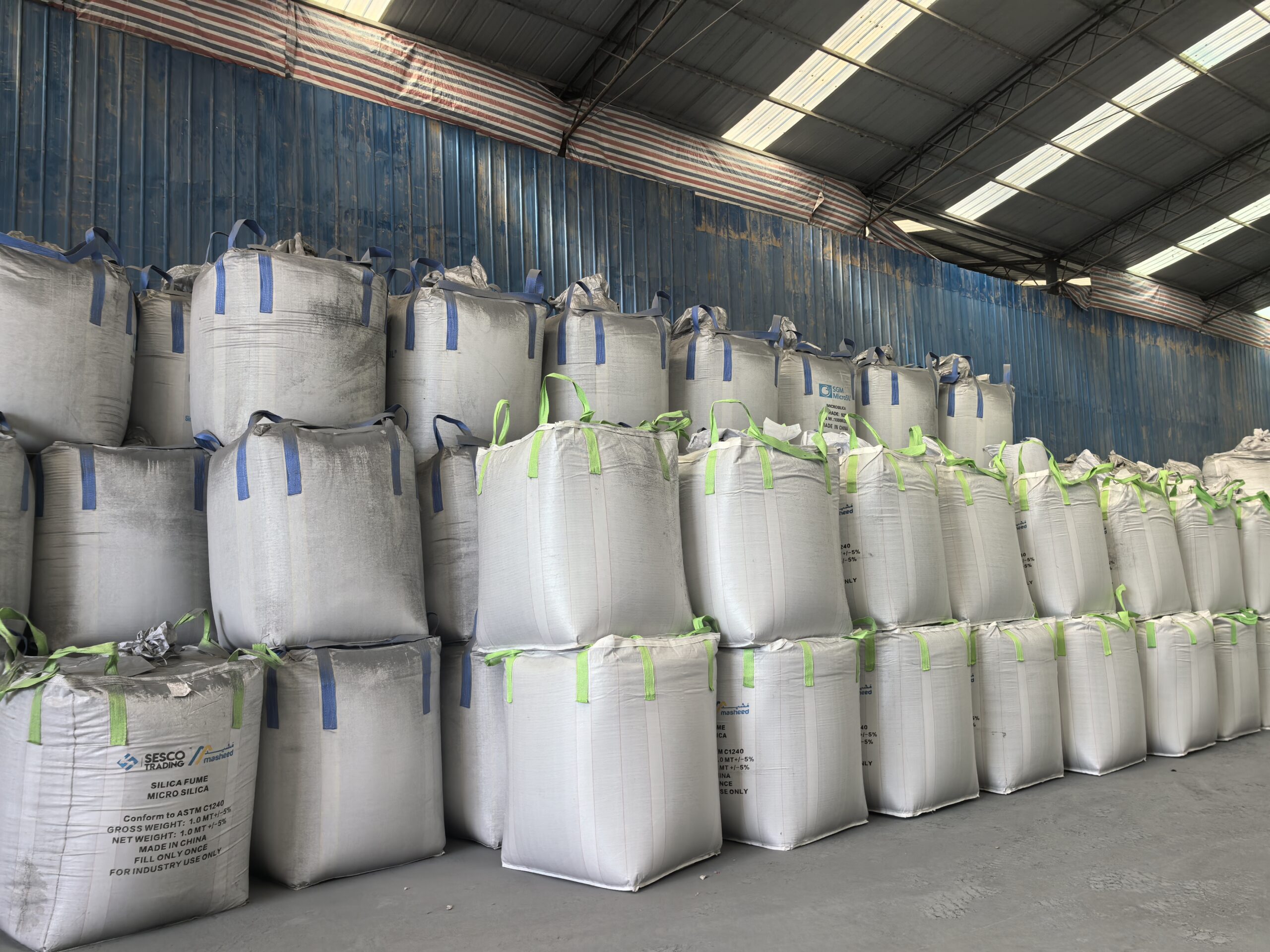
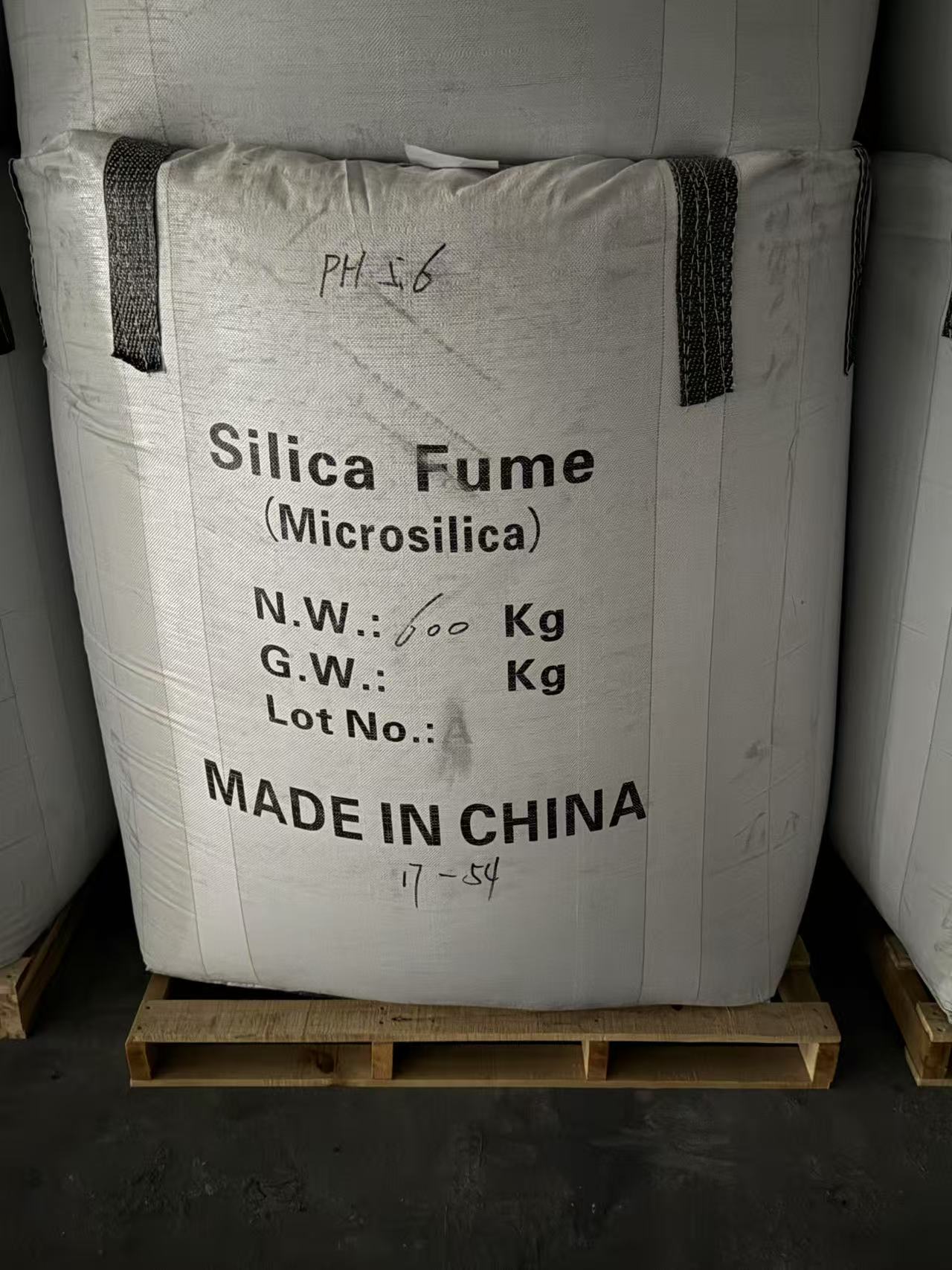
- Silica fume (compacted ordinary silica fume; loose, unprocessed silica fume is prohibited)
- SiO₂ ≥ 90%, loss on ignition ≤ 4%, moisture content ≤ 3%, specific surface area ≥ 15,000 m²/kg
- Densified silica fume must be used; loose, raw silica fume generates excessive dust, clumps severely, causes a sharp drop in flowability, and results in inconsistent strength
- Moisture absorption and caking are strictly prohibited; caked silica fume cannot be broken up and must be discarded
- Complementary Cementitious Materials (All are essential)
- Cement: P·I 52.5 Portland cement, C3A < 8%, with satisfactory stability; 42.5 cement or composite cement must not be used
- Mineral admixtures: Ultrafine mineral powder S95/S105 + Class I fly ash; to mitigate the high water absorption of silica fume, improve workability, and reduce self-shrinkage
- Total binder content: 850–1,000 kg/m³ (a high binder content is required to accommodate the high water demand of silica fume)
- Aggregates and Fibers
- Use only 0.15–0.6 mm continuously graded quartz sand or refined manufactured sand, with a clay content ≤0.5% and no silt; sand-to-binder ratio 1.0–1.2
- Steel fibers: Copper-plated microfiber steel fibers, φ0.16–0.2 mm, length 13–16 mm, volumetric dosage 2%–3% (without fibers, compressive strength is limited to 140 MPa or less and cannot reach 180)
- Admixtures (Essential)
High-solid polycarboxylic high-performance water-reducing admixture, water-reduction rate ≥35%; dosage 2.0%–2.8% (by cementitious material mass), which increases strength by approximately 30% compared to ordinary concrete, offsetting the increased water absorption caused by silica fume.
Naphthalene-based and aliphatic admixtures are prohibited due to insufficient dispersion capacity.
II. C180 Reference Mix Proportion (Standard Densified Silica Fume)
Core Control Thresholds
- Water-to-binder ratio: 0.15–0.17 (values exceeding 0.18 generally fail to achieve 180 MPa)
- Silica fume dosage: 12%–18% of total binder (optimal at 15%); used as an additive or partial cement replacement
- Typical Reference Proportions per Cubic Meter (kg/m³)
- P·I52.5 Cement: 520
- Densified Silica Fume: 130 (15% of total binder)
- S105 Mineral Powder: 220
- Class I Fly Ash: 80
- Refined Quartz Sand: 920
- Mixing Water: 145–160
- Polycarboxylic water-reducing admixture: 21–25
- Copper-plated steel fibers: 160–240 (2%–3% by volume)
Mix Design Logic (How Ordinary Silica Fume Achieves 180 Strength)
- Micro-filling effect: Silica fume particles, with a particle size of 0.1–0.3 μm, fill the voids between cement particles, eliminating capillaries and resulting in an extremely dense matrix
- Volcanic ash reaction: Consumes Ca(OH)₂ from cement hydration to generate a large amount of C-S-H gel, enhancing strength in the interface transition zone
- Steel fiber crack resistance: Offsets the high self-shrinkage caused by an ultra-low water-to-binder ratio, preventing internal microcracks from compromising strength
- Co-blending with mineral powder/fly ash buffers the instantaneous water absorption of silica fume, ensuring a uniform slurry that does not dry out
III. Key Precautions for the Full-Process Use of Ordinary Silica Fume
(I) Storage and Material Handling Controls
- Store in sealed metric ton bags or moisture-proof powder silos; ambient humidity must be <60%. Material exposed to rain or moisture that has caked must be discarded immediately.
- Silica fume generates dust very easily; use negative-pressure dust collection during feeding. Manual dry spreading is strictly prohibited, as it easily causes clumping and the formation of “fish eyes.”
- Test each incoming batch for SiO₂ and loss on ignition; a loss on ignition >4% indicates high carbon content, which adsorbs water-reducing agents and causes a significant drop in flowability
(II) Dosing and Mixing Process (Critical to the success of silica fume dispersion)
Ordinary silica fume is most susceptible to agglomeration when dry-mixed with cement first. The correct sequence (using a planetary forced-action mixer; ordinary drum mixers are prohibited) is:
- Add all quartz sand and dry-mix for 30 seconds
- Add cement, mineral powder, and fly ash; dry-mix for 90 seconds to ensure uniform pre-mixing of powders
- Add 80% of the mixing water plus all water-reducing admixture (after pre-mixing); wet-mix for 120 seconds to break up the slurry
- Slowly and uniformly add the silica fume while continuing to mix for 120 seconds to thoroughly break up agglomerated particles
- Sprinkle in steel fibers in batches and mix for 60 seconds until no fiber clumps remain
- Add the remaining 20% of water; total mixing time must be ≥6 minutes—more than twice that of ordinary concrete
❌ Strictly prohibit incorrect operation: Dry mixing cement and silica fume first causes instantaneous water lock, resulting in a dry, stiff mixture and severely reduced strength
(III) Performance Control During Mixing
- Silica fume significantly increases water demand; at the same water-to-binder ratio, slump decreases markedly. Do not blindly add water; instead, increase the polycarboxylate admixture dosage.
- The absence of bleeding or floating slurry in the mixture is normal; if rapid surface peeling occurs, it indicates poor silica fume dispersion or delayed curing.
- Slump loss occurs rapidly; pouring must be completed within 30 minutes after discharge. This mixture is not suitable for long-distance pumping.
(IV) Pouring and Vibration Compaction
- Use rigid steel forms and apply a thin coat of release agent; pour in layers, with each layer no thicker than 100 mm
- Vibrate at high frequency and low amplitude until a slight slurry appears on the surface, then stop; over-vibration will cause fibers to settle and stratify, resulting in uneven strength.
- Immediately cover and seal with plastic sheeting after pouring is complete. Silica fume concrete exhibits almost no bleeding, and water loss from the surface layer can very easily lead to plastic shrinkage cracks.
(V) Curing Regimen (Failure to meet standards will result in 28-day strength dropping below 160 MPa)
Silica fume systems exhibit high self-shrinkage and extremely rapid early-stage hydration; curing at ambient temperature is insufficient to activate the pozzolanic properties of silica fume, so steam curing is mandatory:
- Static curing: After forming, cover with plastic sheeting and let stand for 48 hours at 20 ± 2°C; protect from wind and direct sunlight
- Heating: Rate ≤ 10°C/h, raise to 85–90°C
- Constant Temperature: 72 hours (critical phase; secondary hydration of silica fume produces large amounts of gel)
- Cooling: ≤10°C/h; after cooling to room temperature, continue natural moisture-retaining curing until 28 days
- Room-temperature water-sprinkling curing alone: maximum strength of 140–150 MPa; to achieve a stable strength of 180 MPa, steam curing is required
(VI) Strength and Mix Design Control
- Test specimens: 100 mm cubes; loading rate: 0.8 MPa/s; at least 3 specimens per group; standard deviation must not exceed 10 MPa
- When silica fume content exceeds 20%: autocontraction increases sharply, internal microcracks multiply, and strength actually decreases; a content exceeding 18% is not recommended
- Fluctuations in raw materials (silica fume loss on ignition, cement strength, clay content in sand) require readjustment of the water-reducing agent and water content for each batch
(VII) Common Failure Issues (Core Reasons Why Ordinary Silica Fume Cannot Achieve 180 MPa)
- Use of loose, uncompacted silica fume → Agglomeration, drastic increase in water demand, and excessive porosity
- Water-to-binder ratio > 0.18 → High matrix porosity, locking the strength ceiling
- Insufficient mixing time or incorrect addition sequence → Silica fume forms “fish-eye” lumps, resulting in localized porosity
- No steam curing → Incomplete pozzolanic reaction of silica fume, preventing late-stage strength development
- Steel fiber content below 2% → Internal microcracks cannot be restrained, leading to premature failure under compression
- Silica fume becomes damp and clumps, or loss on ignition exceeds limits → Adsorbs water-reducing admixture, resulting in poor dry-hardening density of the paste
IV. Summary of Simplified Procedures
- Minimum Material Requirements: High-purity silica fume (SiO₂ ≥ 92%) + 52.5 pure silicate cement + polycarboxylic high-range water-reducing admixture + copper-coated steel fibers;
- Core Mix Proportions: Water-to-binder ratio 0.15–0.17, external silica fume content 12%–18%, total binder content ≥ 850 kg/m³;
- Key Process Steps: Add materials in stages; total mixing time ≥ 6 min; add silica fume last and ensure it is thoroughly dispersed;
- Curing Requirements: 48-hour static curing + 72 hours of steam curing at a constant temperature of 85–90°C; failure to follow either step will prevent consistent achievement of C180 strength.