


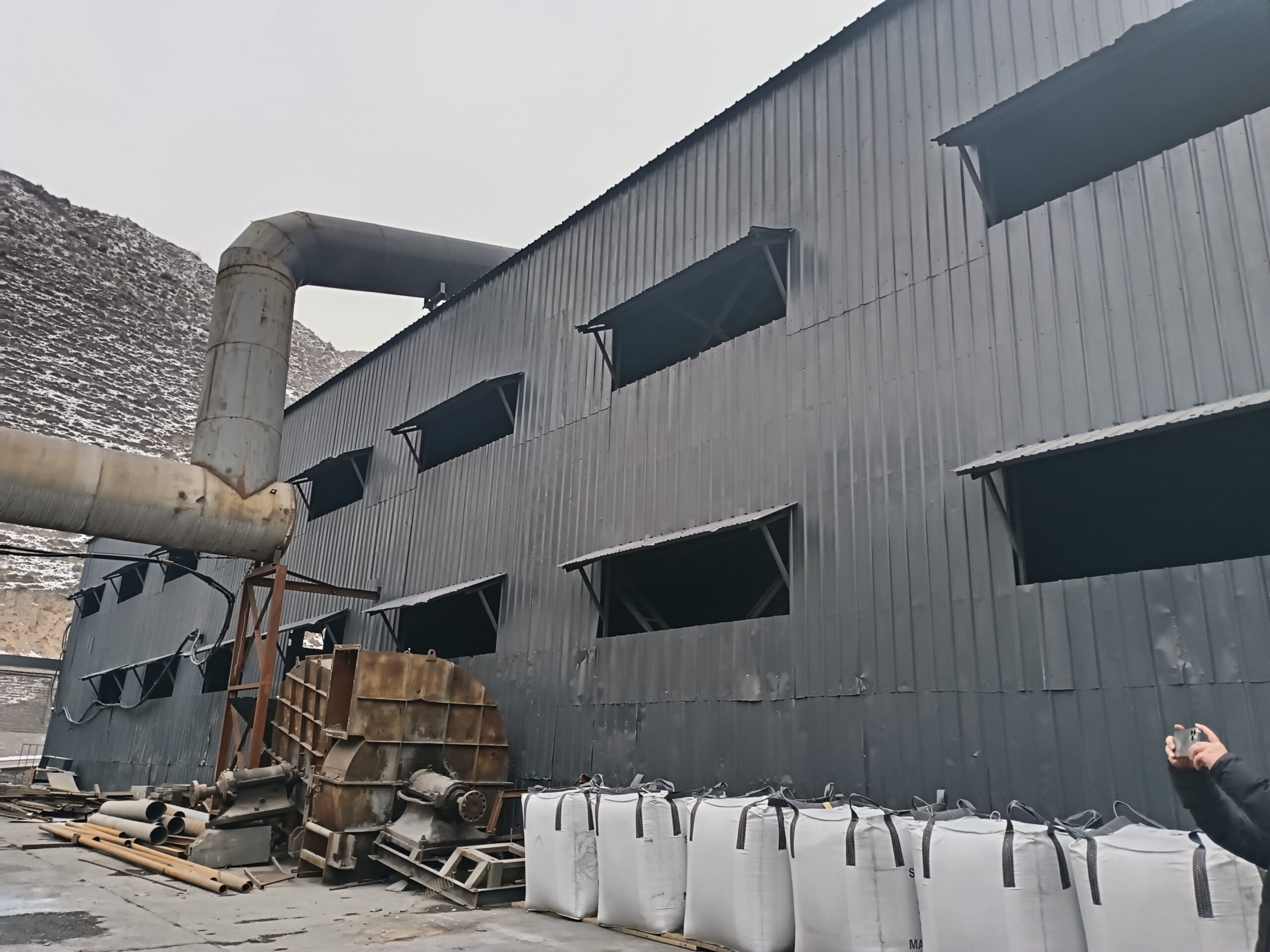
The performance shortcomings of exterior wall insulation panels often stem not from the insulation core material itself, but from the panel’s structural density and the stability of interfacial bonding. Silica fume, an ultrafine active powder produced in the smelting industry, is precisely capable of addressing these long-overlooked performance gaps, making it a highly cost-effective functional component in insulation panel formulations.
The particle size of Silica fume is far smaller than that of cement and sand, allowing it to precisely fill the micron-level pores within the panel’s matrix material and significantly reduce the panel’s water absorption rate. In traditional thermal insulation mortar systems, prolonged outdoor use leads to rainwater intrusion, which significantly reduces the thermal conductivity of the insulation layer and makes it prone to freeze-thaw cracking due to diurnal temperature fluctuations. By incorporating an appropriate amount of Silica fume, the interconnected pores within the panels are sealed, making it difficult for moisture to penetrate. This directly improves the long-term stability of thermal insulation performance by more than 30%.
At the same time, the high pozzolanic activity of Silica fume enables it to undergo a secondary reaction with the free calcium hydroxide released during the hydration of cement, forming a higher-strength calcium silicate gel. This significantly enhances the thermal insulation boards’ compressive and flexural strength. This not only reduces the breakage rate of the boards during transportation and installation but also substantially increases the bond strength between the thermal insulation boards, the base wall, and the rendering mortar, effectively preventing the safety hazard of the thermal insulation layer detaching. In northwestern cities like Lanzhou, which experience large diurnal temperature fluctuations and severe wind and sand erosion, insulation boards blended with Silica fume powder can better withstand extreme weather conditions and extend the overall service life of the exterior wall insulation system.