

Low-Carbon Microsilica · Undensified Grade
98% Undensified Silica Fume
The purity step between 95% and 99.9% - low carbon, low alkali, built for refractories
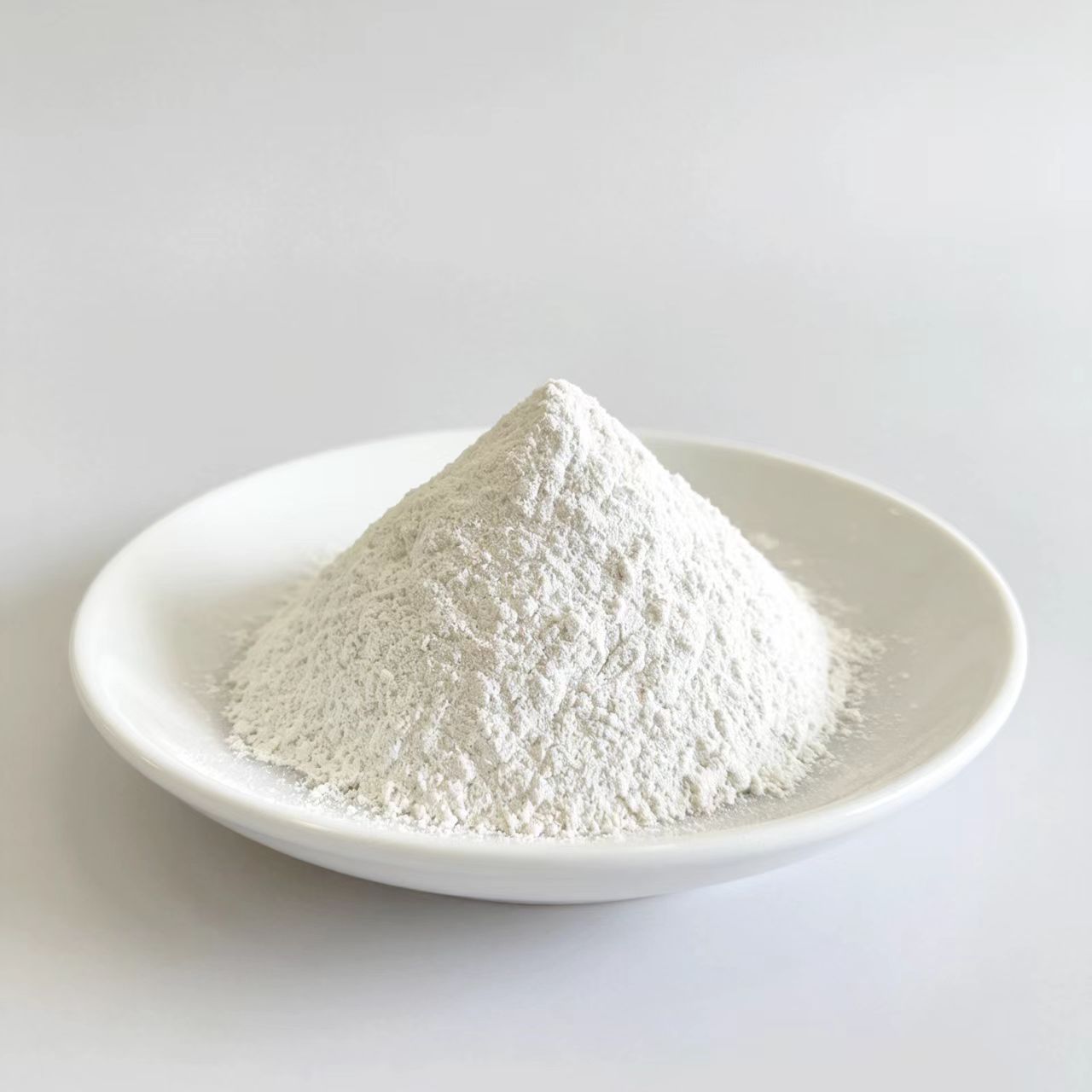
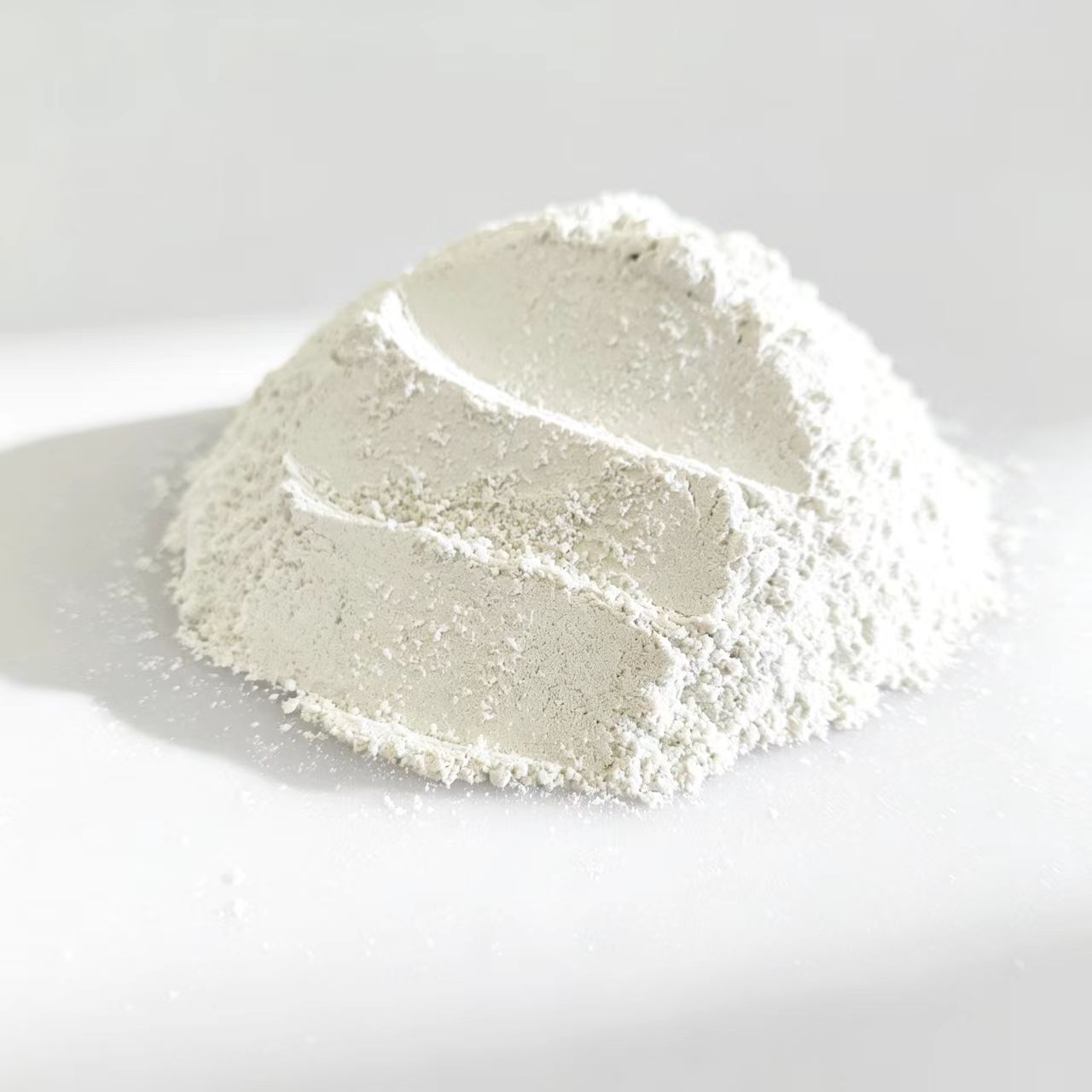
98% undensified silica fume - also known as 98U microsilica, low-carbon silica fume or condensed silica fume - is an off-white, amorphous SiO₂ powder with >98% SiO₂ content, carbon below 0.8% and a bulk density of 180-250 kg/m3. Recovered from silicon metal and ferrosilicon furnaces, it sits between Ewende's 95% concrete grade and 99.9% white grade: pure enough for low-cement castables, high-purity refractories and high-performance concrete, yet economical for bulk pours. 98% densified silica fume (98D) is also available.

Sichuan Ewende New Material Co., Ltd.
85 - 99.99 grade silica fume · Made in ChinaWhat it does for your mix
Six reasons engineers specify 98% undensified low-carbon microsilica - from the purity and carbon level to what it does inside the mix.
98% SiO₂, low-carbon powder
A micro-silica fume with 98% SiO₂ content, carbon below 0.8% and a bulk density of 180-250 kg/m3 - supplied as an off-white amorphous powder, no fillers, no blending.
Refractory-grade purity
Carbon below 0.8% and alkali below 0.8% keep the castable matrix clean: stable pH gives low-cement castables regular, predictable setting, while low LOI lifts refractoriness under load.
Unrivaled strength amplification
Significantly increases the compressive and flexural strength of concrete mixes - the ingredient behind high-strength structures that withstand heavy loads and environmental pressures.
Densification and impermeability
The unique particle size distribution fills the voids in the mix, blocking water, chemicals and corrosive agents - longer-lasting structures with lower maintenance requirements.
Enhanced durability
Improves resistance to abrasion, freeze-thaw cycles and other deteriorating factors, keeping structures solid over time and reducing the need for frequent repairs.
Eco-conscious solution
Cuts the need for clinker production in cement and curbs carbon emissions - a greener way to build that still delivers exceptional performance.
98% Undensified Silica Fume parameters
Produced in conformance with ASTM specifications. Quality is controlled and monitored through the entire production process to ensure it meets or exceeds specification requirements.
| SiO₂ content | >98%Grade minimum · typical 98.3-98.8% |
|---|---|
| Form | UndensifiedAmorphous sub-micron powder · 98D densified also available |
| Bulk density | 180-250 kg/m3As-produced loose band · densified 500-650 kg/m3 |
| Specific gravity | 2.2 g/cm3Standard range 2.1-2.3 · insoluble in water |
| pH value | 5 - 8.5Stable batch to batch · predictable castable setting |
| Colour | Off-whiteWhiteness index ≥ 85 (blue light) · low-carbon grade |
| Mean particle size | 0.15 - 0.20 μmAverage granule diameter |
| Specific surface area | 18 000 - 25 000 m2/kgBET · equivalent to 18-25 m2/g |
| Loss on ignition | ≤ 3.0%Typical 1.0-2.0% · ASTM C1240 limit ≤ 6% |
| Moisture content | ≤ 1.5%As packed · ASTM C1240 limit ≤ 3% |
| 45 μm sieve residue | ≤ 3.0%Typical ≤ 1.5% · ASTM C1240 limit ≤ 10% |
| Pozzolanic activity index, 7 d | ≥ 105%ASTM C1240 requirement |
| Pozzolanic activity index, 28 d | ≥ 100%EN 13263 requirement |
| Water demand ratio | ≤ 115%GB/T 18736 limit ≤ 125% |
| Carbon (C) | ≤ 0.8%Low-carbon grade · keeps the colour light |
| Free silicon (Si) | ≤ 0.3%EN 13263 / JIS A6207 limit ≤ 0.4% |
| Alkali (Na₂O + K₂O) | ≤ 0.8%Low-alkali grade · GB/T 27690 limit ≤ 1.5% |
| Chloride (Cl⁻) | ≤ 0.05%GB/T 18736 / 27690 limit ≤ 0.1% |
| Sulphate (SO₃) | ≤ 0.5%EN 13263 limit < 2% |
| Standards compliance | ASTM C1240 · EN 13263 · GB/T 18736 · GB/T 27690COA |
| Also tested to | GB/T 1596 · GB/T 176 · TB 10424Routine batch testing per COA |
View the full comparison - silica fume limits under 9 national standards
| Parameter | EuropeEN 13263 | NorwayNS 3045 | FranceNF P18-502 | AustraliaAS 3586 | United StatesASTM C1240 | CanadaCSA A23.5 | JapanJIS A6207 | ChinaGB/T 18736 | ChinaGB/T 27690 |
|---|---|---|---|---|---|---|---|---|---|
| SiO₂ (%) ≥ | 85 | 85 | 85 | 85 | 85 | 85 | 85 | 85 | 85 |
| SO₃ (%) < | 2 | - | 2.5 | 3 | - | 1 | 3 | - | - |
| Cl⁻ (%) < | 0.3 | Report | 0.2 | Report | - | - | 0.1 | 0.1 | 0.1 |
| CaO (%) < | 1 | 2 | - | - | - | - | 1 | - | - |
| MgO (%) < | - | - | - | - | - | - | 5 | - | - |
| Si (%) < | 0.4 | - | - | - | - | - | 0.4 | - | - |
| Na₂O + K₂O (%) < | - | - | 4 | - | - | - | - | - | 1.5 |
| C (%) < | - | - | 4 | - | - | - | - | - | - |
| Moisture content (%) < | - | - | - | 2 | 3 | - | 3 | 3 | 3 |
| Loss on ignition (%) < | 4 | 5 | - | 6 | 6 | 6 | 5 | 6 | 4 |
| Specific surface area (m2/g) | 15-35 | ≥12 | 20-35 | - | - | - | ≥15 | ≥15 | ≥15 |
| 45 μm sieve residue (%) < | - | - | - | - | 10 | 10 | - | 5 | - |
| Bulk density (kg/m3) | - | - | - | Report | Report | - | - | - | - |
| Specific gravity (g/cm3) | - | - | 2.1-2.3 | - | - | - | Report | - | - |
| Water demand ratio (%) ≤ | - | - | - | - | - | - | - | 125 | 125 |
| Pozzolanic activity index, 3 d (%) ≥ | - | - | - | - | - | - | - | - | - |
| Pozzolanic activity index, 7 d (%) ≥ | - | - | - | Report | 105 | 85 | 85 | 95 | 105 |
| Pozzolanic activity index, 28 d (%) ≥ | 100 | 95 | - | - | - | - | 100 | 115 | - |
| Water / binder ratio | 0.5 | 0.5 | - | - | 0.484 | - | 0.5 | 0.5 | 0.5 |
| Curing regime | Standard | Standard | - | - | Accelerated | Accelerated | Standard | Standard | Accelerated |
Limits shown are the specification requirements of each national standard, for reference only. Actual values for each shipment are reported on the Certificate of Analysis.
How to dose it on site
Five practical notes that decide whether 98% undensified low-carbon microsilica performs - dosage band, admixture pairing, mixing time and curing.
-
1
In high-strength, high abrasion resistance and anti-washout underwater concrete, the dosage should not be too low - usually 5%-10% of the cementitious material. In low-cement refractory castables the usual addition is 3%-8% of the binder, where it acts as binder and mineraliser at the same time.
-
2
Preparing high-strength or early-strength concrete with Ewende 98% undensified silica fume calls for a high-efficiency water reducing agent; for high-strength concrete choose a low-air-entraining type, and add a defoamer where the situation calls for it.
-
3
In ordinary strength, impermeable, highly durable or self-compacting concrete, a multi-component cementitious material with a lower dosage is appropriate - usually 2%-5% of the cementitious material.
-
4
Adding 98% undensified silica fume needs a longer mixing time, and it must not be added to concrete that has already been wetted. Extend mixing by about 30 seconds versus ordinary concrete to ensure uniform dispersion.
-
5
The mix is sensitive to plastic shrinkage cracking. Spray a curing agent on shotcrete before it sets; once the concrete has hardened, use curing film and cover with wet sacks or plastic sheet.
Where 98% undensified microsilica is used
From low-cement castables and kiln furniture to shotcrete and oil-well cement - the same pozzolanic reaction, solving very different problems on site.


Packaging

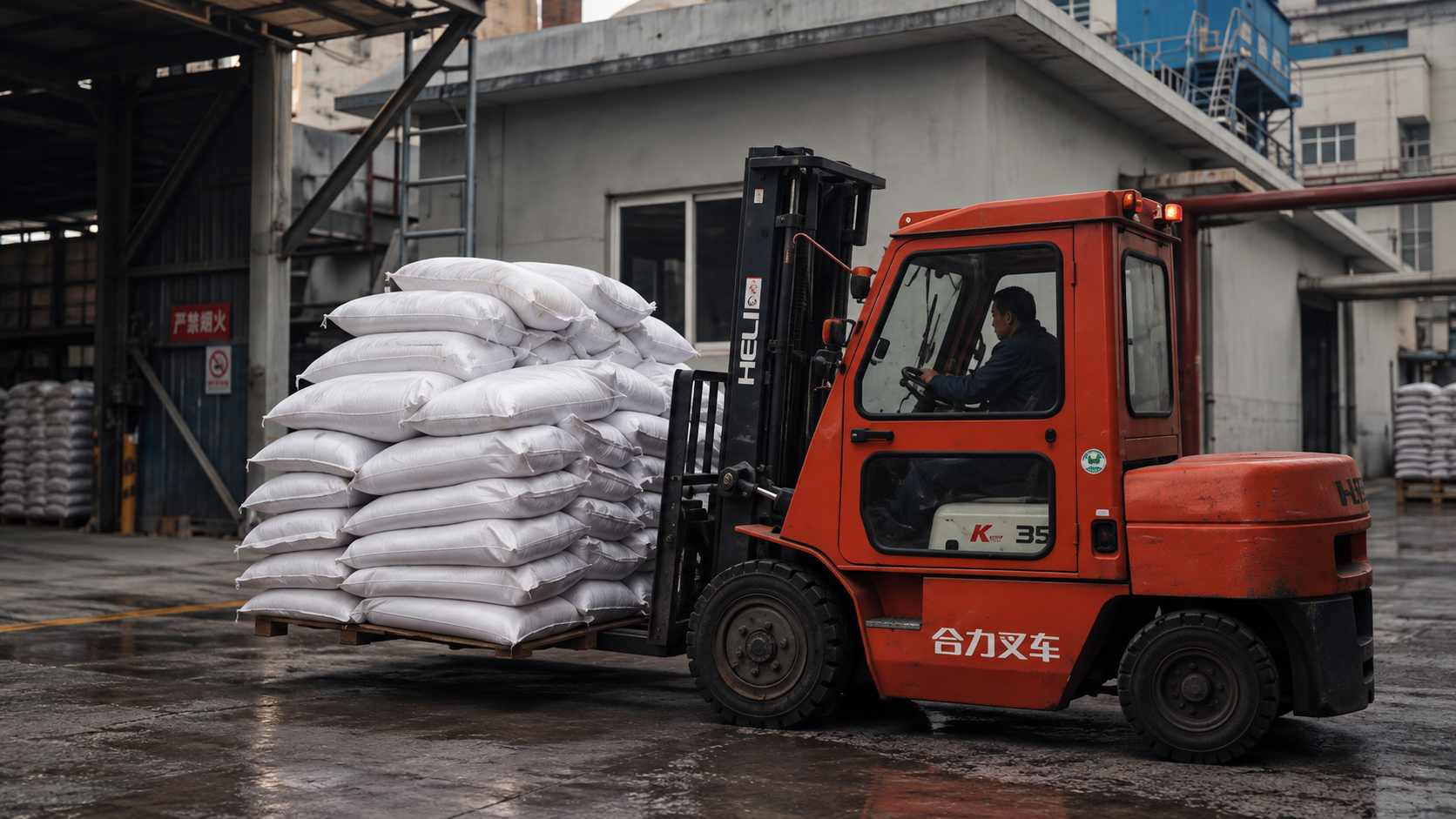
Palletized Small Bags
25kg plastic woven bags with an inner PE liner, 42 per pallet - forklift-friendly and fast to load into containers.
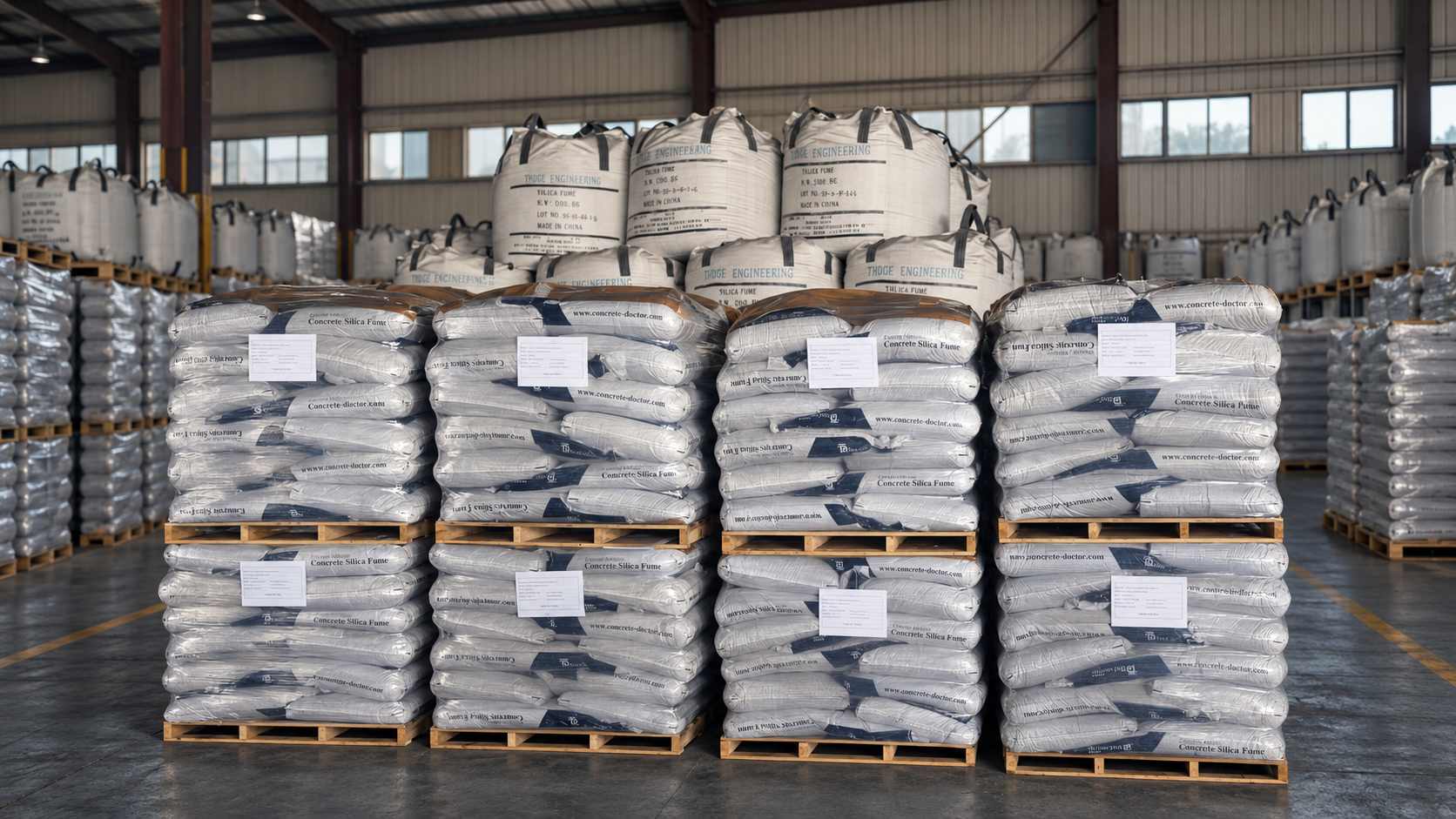
Palletized & Stretch-Wrapped
Pallets secured with stretch film for safe loading, unloading and long-distance ocean shipping.
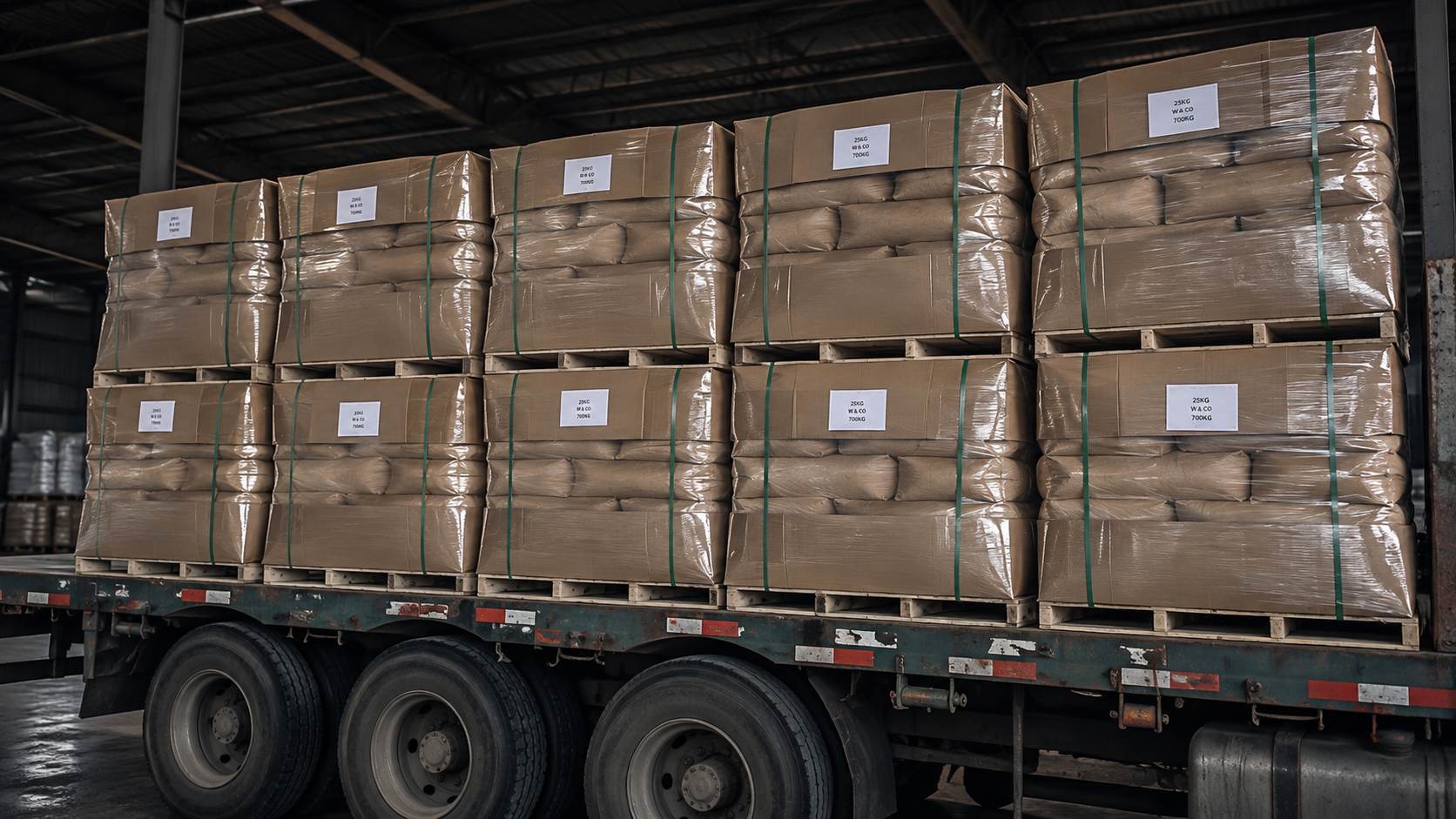
Kraft Paper Bags
25kg moisture-proof kraft paper bags with inner PE liner - easy to carry, ideal for construction sites.
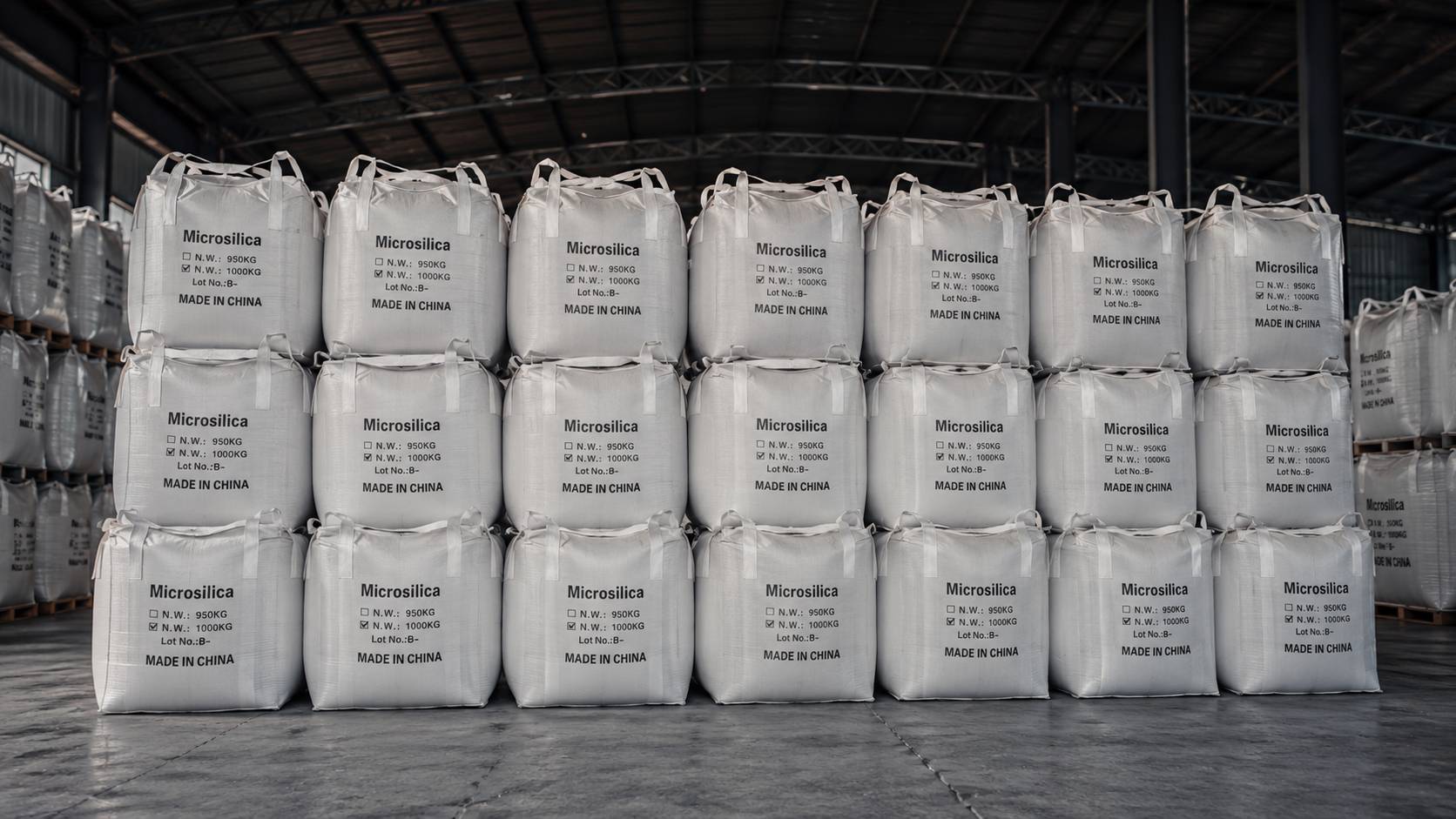
Jumbo Bags (FIBC)
500-1000kg plastic woven bags, 2 per pallet, with or without bottom discharge spout - built for bulk handling.
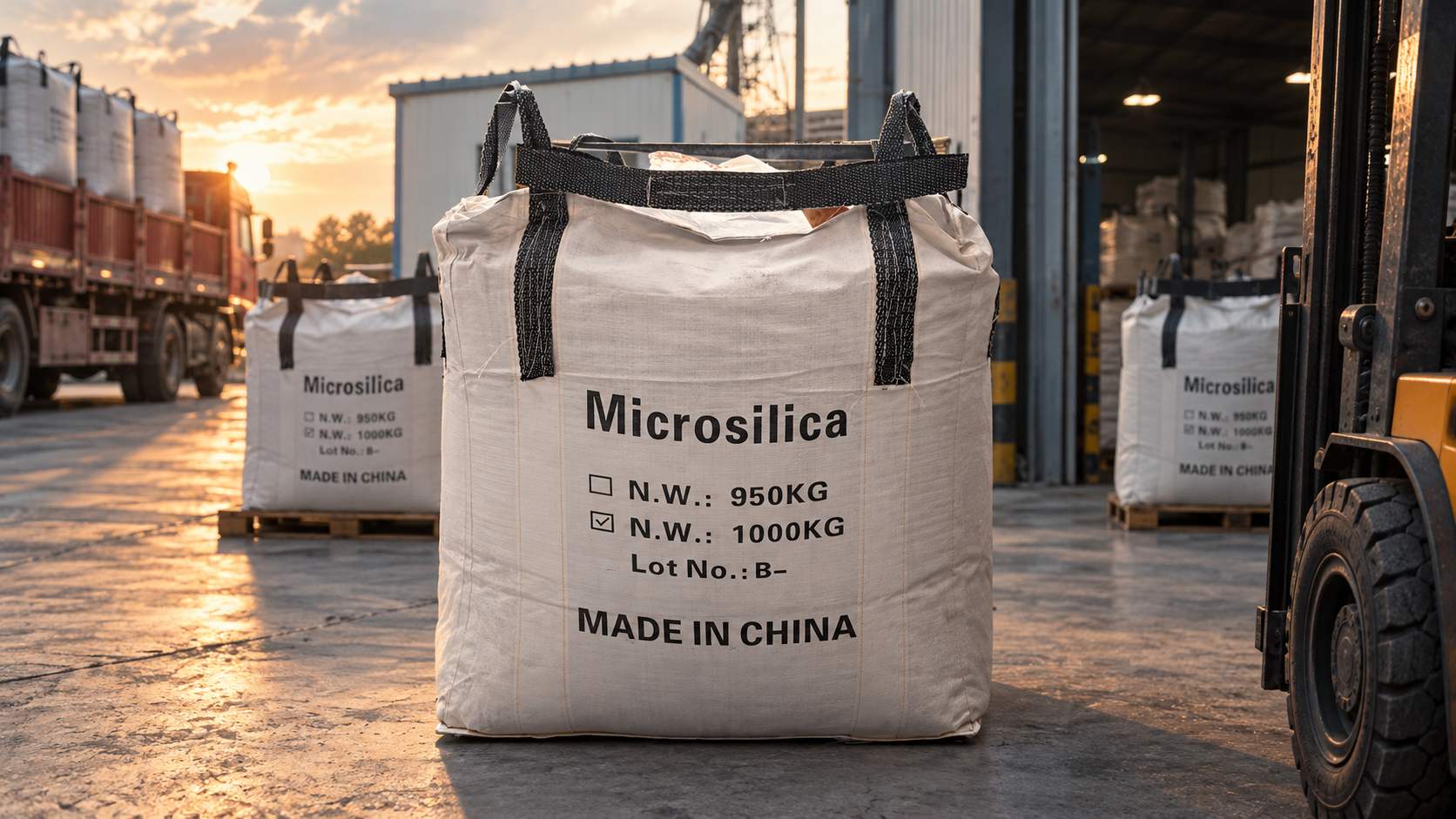
Custom Logo Packaging
Your own logo, bag design and marking - professional OEM service to build your brand worldwide.
Contact Us
GET A QUOTECall Us
+86 13109355617Email Address
ewende@microsilica-si.comFAQ about 98% undensified silica fume
Ewende's mission is to provide professional services, high quality products and strict after-sales control - and to actively solve customer problems for mutual benefit.
How does 98% compare with Ewende's 95% and 99.9% grades?
All three come from the same furnace family; what changes is purity and carbon level. 95U (bulk density 240-270 kg/m3) is the workhorse concrete grade. 98U is cleaner - carbon and alkali both below 0.8% - so the colour stays light and the castable matrix stays clean, which is why refractory producers specify it. 99.9U is the white grade (whiteness ≥ 94) for silicone rubber and capacitor encapsulation.
Undensified vs densified - what is the difference?
98U is collected straight from the furnace and never compacted, so every particle stays fully dispersed and wets out fastest in the mixer - at a loose bulk density of 180-250 kg/m3. Densified grades (98D) are compacted to roughly 500-650 kg/m3 for easier transport.
Can you offer samples and print our brand on the packing?
Samples are free in testing quantity - usually 1-2 kg; courier cost is quoted separately. We offer neutral packing, and logo spraying on the outer packaging can be negotiated according to the actual quantity.
Are you a factory or a middleman?
Ewende New Materials Co., Ltd. is a professional manufacturer and supplier of micro silica powder, with a variety of submerged arc furnace types.
How long will delivery take?
Usually around 15 days after order confirmation or deposit.
What are the payment terms?
TT, L/C and D/P; Paypal is also available.